Walk into any supplement store and you’ll find shelves packed with powders, pills, and promises. But if you’re new to lifting or just trying to get stronger, the real question is simple: do you actually need supplements for strength training?
This guide breaks down which supplements are actually worth considering and which ones you can skip entirely.
As an Amazon Associate, we earn from qualifying purchases. This helps support the site at no extra cost to you.
You Don’t Need Supplements to Build Strength
If you’re training consistently, eating enough calories, sleeping well, and following a solid program, you’re already 90% of the way there. Supplements might help at the margins, but they’re not a shortcut and they’re not necessary.
That said, a couple of them are genuinely useful and can make reaching your goals more convenient. The key is knowing which ones are worth your money and which ones aren’t.
Supplements for Strength Training Worth Taking
For most lifters, only two supplements are genuinely worth considering. Everything else is either unnecessary, overhyped, or can be replaced by real food.
Whey Protein
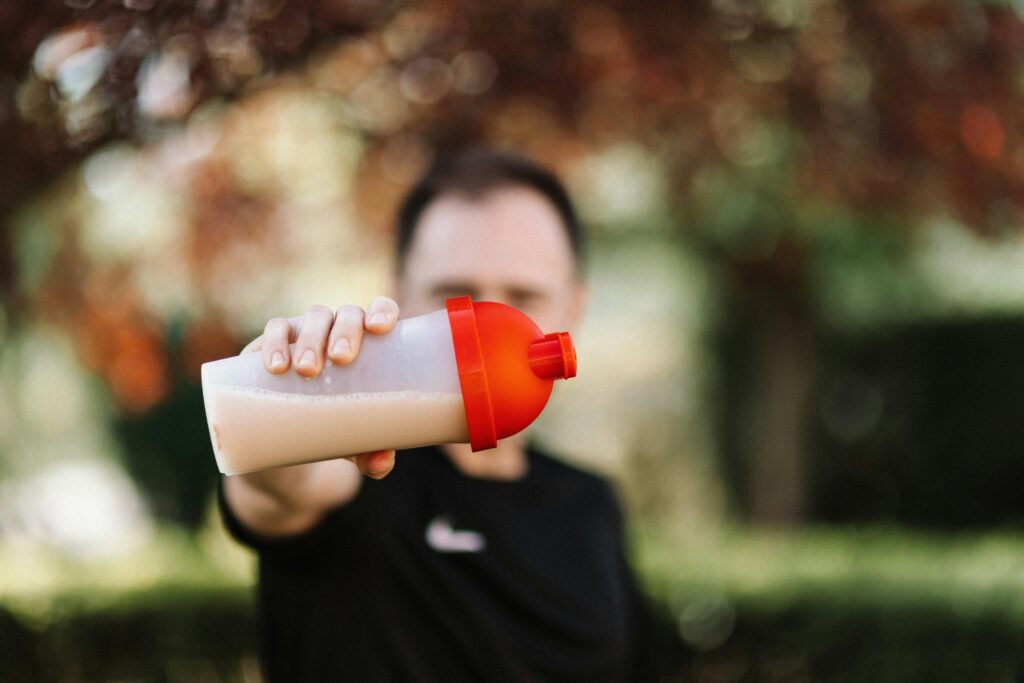
Whey protein is one of the most common supplements for strength training, but it isn’t magic. It’s just a convenient way to hit your daily protein target. If you’re struggling to get enough protein from whole foods, a shake fills the gap quickly and cheaply.
Look for whey isolate or concentrate with minimal ingredients and no sugar-loaded blends. Unflavored whey is worth considering — you can flavor it yourself with cocoa powder or fruit, and avoid the artificial sweeteners that are common in flavored versions. Most people find it tastes like very little on its own.
Creatine Monohydrate
Creatine is the most researched supplement in existence and one of the few with clear, consistent evidence behind it. It increases strength, improves high-intensity performance, and may support muscle growth (ISSN Position Stand).
Take 3-5 grams daily at any time of day. Timing doesn’t matter. There’s no need to load or cycle it (Research Review). Ignore the expensive variants like creatine HCL or creatine gummies. Plain creatine monohydrate works just as well and costs a fraction of the price.
Should women use creatine?
Absolutely. Creatine isn’t just for men or bodybuilders. It works just as well for women and the research backs this up clearly.
Some women avoid it fearing it will make them look bulky or cause water retention. The bulking concern is unfounded. Creatine doesn’t build muscle on its own, it helps you train harder and recover better. As for water retention, creatine does cause muscles to hold more water, but this is intracellular, meaning it goes into the muscle cells rather than under the skin. The result is often slightly fuller looking muscles rather than a bloated appearance.
If you lift weights or do any form of high intensity training, creatine is worth considering regardless of your goals.
Supplements That Aren’t Worth It
Not every powder with a flashy label deserves your money. Here are a few supplements most lifters can skip entirely.
Pre-Workout Blends
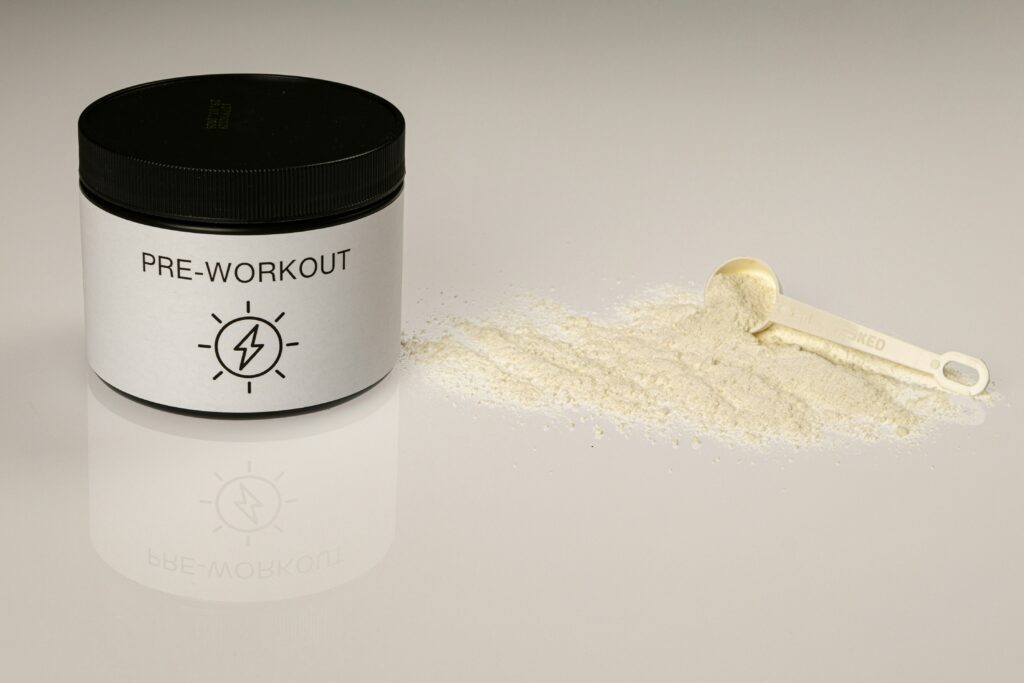
Most pre-workout supplements are essentially caffeine with a few extra ingredients dressed up in aggressive marketing. If you want a performance boost before training, a cup of coffee or an energy drink does the same job for a fraction of the price. That said, the placebo effect is real — if you believe something helps you train harder, it often does to some degree.
BCAAs
BCAAs are pointless if you’re already eating enough protein. Your body breaks down complete proteins into all the amino acids it needs, including the branched-chain ones. Unless you’re training fasted or severely under-eating protein, BCAAs add nothing that a decent meal or shake doesn’t already cover.
Beta-Alanine
Beta-alanine has some evidence behind it for high-rep endurance work, but for strength training it’s not relevant. It’s also responsible for the tingling sensation that some pre-workout blends cause, which some people like and some don’t.
Test Boosters and Fat Burners
These are almost universally overhyped and underwhelming. The ingredients in most test boosters have weak or no evidence behind them, and fat burners are largely stimulant blends that do little beyond raising your heart rate. If you want better testosterone levels, focus on sleep, nutrition, and consistent training.
How to Decide if You Need Supplements
Before spending money on tubs of powder, it’s worth asking a few honest questions about your current training and diet.
The most important question is whether you’re consistently hitting your calorie and protein targets. If you’re falling short on protein, whether due to dietary restrictions, busy schedules, or just finding it difficult to eat enough through food alone, a whey supplement is the most practical first addition. For everything else, supplements can only help if the basics are already covered.
Finally, if your lifts are already going up and your recovery feels solid, you probably don’t need to change anything. Supplements are most useful when there’s a specific gap to fill, not as a default addition to every lifter’s routine.
What Matters More Than Any Supplement
No supplement will compensate for the basics. Before spending money on anything in a tub or bottle, these are the things that actually move the needle.
Protein intake is the most directly relevant nutritional factor for building strength and muscle. Aim for roughly 0.7-1g per pound of bodyweight (1.6-2.2g/kg) daily, and try to get most of it from whole food sources.
Sleep is where recovery actually happens. Most lifters underestimate how much poor sleep affects their performance and progress. Seven to eight hours a night is the baseline worth aiming for.
Progressive overload is the fundamental principle behind getting stronger. Consistently adding weight, reps, or volume over time is what drives adaptation. No supplement changes this equation.
Finally, eating enough calories to fuel your training and recovery matters more than any specific supplement. You can’t build strength in a significant calorie deficit over the long term.
FAQs
Final Thoughts
When it comes to supplements for strength training, less is more.
Supplements are exactly what the name suggests: a supplement to good training and nutrition, not a replacement for it. For most lifters, creatine and whey protein are the only two worth considering, and even then, whey is only necessary if you’re struggling to hit your protein targets through food.
Get the basics right first. Train consistently, eat enough protein, sleep well, and follow a solid program. Once those are locked in, creatine is a cheap and effective addition. Everything else can wait.
Want more beginner training advice? Check out our guide to beginner lifting mistakes.