Pre-workout supplements are one of the best-selling products in the fitness industry. But are they actually worth it, or just clever marketing?
This guide breaks down what pre-workout actually does, what’s typically in it, and whether you need it to train effectively.
As an Amazon Associate, we earn from qualifying purchases. This helps support the site at no extra cost to you.
What Is Pre-Workout?
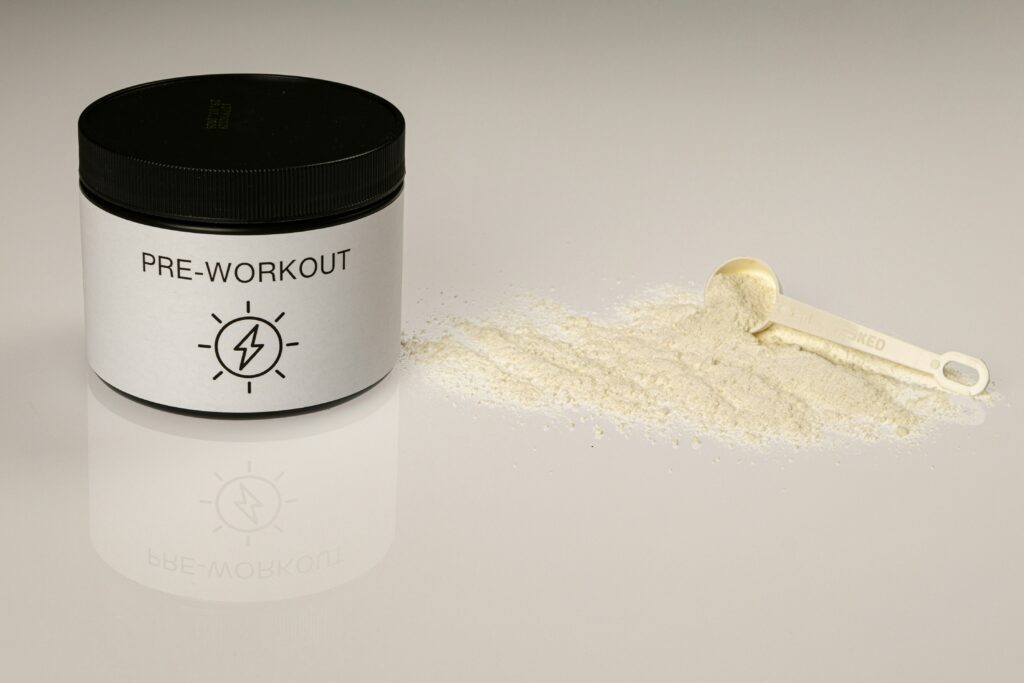
Pre-workout supplements typically come as a powder you mix with water, though capsules and ready-to-drink options exist too. Most are taken 20-30 minutes before training with the goal of increasing energy, focus, and performance during the session.
The formulations vary widely between brands, but most share a similar core of ingredients: stimulants for energy, compounds aimed at improving blood flow, and flavoring to make the product more palatable.
How Does Pre-Workout Work?
The primary effect of most pre-workouts is stimulation. Caffeine is the main active ingredient in the vast majority of products and is responsible for the energy and focus boost most people feel.
Beyond caffeine, other ingredients aim to improve blood flow, delay fatigue, or enhance the mind-muscle connection. Whether these make a meaningful difference varies between products and the evidence behind most of them is mixed.
For most people, the main benefit of pre-workout is the caffeine.
The Role of Caffeine
Caffeine works by blocking adenosine receptors in the brain. Adenosine is a chemical that builds up over the course of the day and makes you feel tired. Caffeine blocks its effect, making you feel more alert and focused (NIH).
In a training context this translates to better focus, reduced perceived effort, and in some cases improved strength and endurance performance. The effect is well documented and caffeine is one of the few supplements with consistent evidence behind it (PMC).
The downside is tolerance. Regular caffeine users need increasingly higher doses to feel the same effect, which is why some lifters cycle off caffeine periodically to reset their sensitivity.
What About Stimulant-Free Pre-Workout?
If you train in the evenings or are sensitive to caffeine, a stimulant-free formula skips the stimulants entirely and relies on other ingredients instead. The tradeoff is that you also skip the main thing that makes pre-workout effective for most people. Whether the remaining ingredients are worth it is a separate question. For a full breakdown, see our guide to stimulant-free pre-workout.
What Is Typically in Pre-Workout?
Most pre-workout formulas share a similar set of core ingredients, though doses and combinations vary widely between products.
Caffeine is the primary active ingredient in most pre-workouts. Doses typically range from 150mg to 300mg per serving, roughly equivalent to one to three cups of coffee.
Citrulline is an amino acid that increases nitric oxide production, which is theorised to improve blood flow during training. The evidence on whether this translates to meaningful performance benefits is mixed.
Beta-alanine is responsible for the tingling sensation many people experience. It has some evidence for endurance sports involving sustained efforts, but for typical strength training it’s largely irrelevant.
Creatine is sometimes included, though often in doses too low to be effective on their own. If you’re supplementing creatine separately, this doesn’t matter.
B vitamins and other additives are common but largely unnecessary if your diet is adequate.
Side Effects
Most side effects from pre-workout come from the caffeine or beta-alanine.
The tingling or itching sensation is caused by beta-alanine and is harmless. It’s uncomfortable for some people but not a sign of anything wrong.
Jitters and anxiety are common with higher caffeine doses, especially in people sensitive to stimulants. Starting with half a serving is a good way to assess your tolerance.
Digestive issues including the need to use the bathroom are also caffeine-related. Some people are more sensitive than others.
Sleep disruption is worth considering. Taking pre-workout too close to bedtime can significantly affect sleep quality, which matters more for recovery than any performance boost the supplement provides.
Skin conditions like acne have been anecdotally linked to some pre-workouts, though the evidence is limited and likely varies by individual and product.
How Long Does Pre-Workout Last?
The effects of pre-workout are largely driven by caffeine, which has an average half-life of around 5 hours in healthy adults (NIH). This means half the caffeine is still in your system 5 hours after taking it.
In practical terms, the peak effects of energy and focus typically last 1-3 hours. The stimulant effect fades after that, though caffeine is still in your system well beyond the point where you feel it acutely.
This is why taking pre-workout in the afternoon or evening can disrupt sleep even if you don’t feel particularly wired by bedtime.
Do You Actually Need Pre-Workout?
No. A cup of coffee or an energy drink provides the same primary active ingredient at a fraction of the cost. If caffeine is what you’re after, there’s no need to spend money on a branded pre-workout formula.
That said, some people find the ritual of taking pre-workout helpful for getting into the right mindset before training. The placebo effect is real and if it consistently helps you train harder, that’s a legitimate benefit even if the product itself isn’t doing anything special.
If you do use pre-workout, avoid taking it within 6 hours of bedtime and start with a lower dose to assess your tolerance. Sleep quality matters more for recovery than any supplement.
Pre-Workouts Worth Considering
FAQs
Final Thoughts
Pre-workout supplements aren’t necessary for most lifters. A cup of coffee before training provides the same primary benefit at a fraction of the cost. If you enjoy using pre-workout and it helps you train consistently, that’s a valid reason to use it. Just be mindful of caffeine tolerance and avoid taking it too close to bedtime.
If you’re looking at supplements more broadly, check out our guide on supplements for strength training.