Protein is everywhere in fitness, in supplements, in meal plans, and in every gym conversation. But what actually happens if you don’t eat enough of it? Can you build muscle without protein?
The short answer is no. Protein is essential for muscle growth. But the longer answer is more nuanced than most fitness content suggests, and the amount you actually need might be lower than you think.
What Does Protein Actually Do?
Protein is made up of amino acids, which are the building blocks your body uses to repair and build muscle tissue. When you train, the mechanical tension placed on your muscles signals the body to adapt by building more muscle tissue. Protein provides the amino acids needed for this process, supplying the raw materials for muscle protein synthesis.
Protein is the only macronutrient that provides essential amino acids, the ones your body cannot produce on its own. Without adequate protein, muscle protein synthesis is limited. Your body will still try to adapt to training, but it will have less to work with, which means slower recovery, less muscle growth, and potentially muscle loss over time.
So Can You Build Muscle Without Protein?
Not effectively, no. Your body needs a continuous supply of amino acids to support muscle protein synthesis. Without protein in your diet, this process slows significantly and muscle growth stalls or reverses.
Beginners can build muscle on surprisingly low protein intakes, particularly if they’re in a calorie surplus. The body is efficient at recycling amino acids and adapting to lower intake levels. As you become more experienced and training intensity increases, consistent protein intake becomes more important for continued progress.
How Much Protein Do You Actually Need?
The commonly cited “1 gram per pound of bodyweight” (2.2g/kg) figure sits at the upper end of what research supports. For most lifters, somewhere within the recommended range is sufficient for optimal gains.
A large meta-analysis found that protein intake beyond 1.62g/kg per day provided no further gains in muscle mass or strength on average, with the upper confidence interval at 2.2g/kg (Morton et al., 2018). This is where the evidence-based recommendation of 0.7 to 1g per pound (1.6 to 2.2g/kg) comes from.
That said, this range represents optimal conditions. You can still make meaningful progress with lower protein intake, it just won’t be as efficient.
What Happens If You Don’t Eat Enough Protein?
If your protein intake is consistently low, muscle protein synthesis can’t keep up with muscle protein breakdown. Over time this means slower recovery between sessions, less muscle growth, and potentially muscle loss even if you’re training hard.
The signs of inadequate protein intake aren’t always obvious at first. Progress slows, recovery takes longer, and you might feel like your training has stopped working when the real issue is nutrition.
Protein needs also increase when you’re in a calorie deficit. When calories are restricted, the body is more likely to break down muscle tissue for energy, and higher protein intake helps protect against this. If you’re trying to lose fat while maintaining muscle, staying at the higher end of the recommended range becomes more important, and some research suggests going even higher during a cut.
Do You Need Protein Supplements?
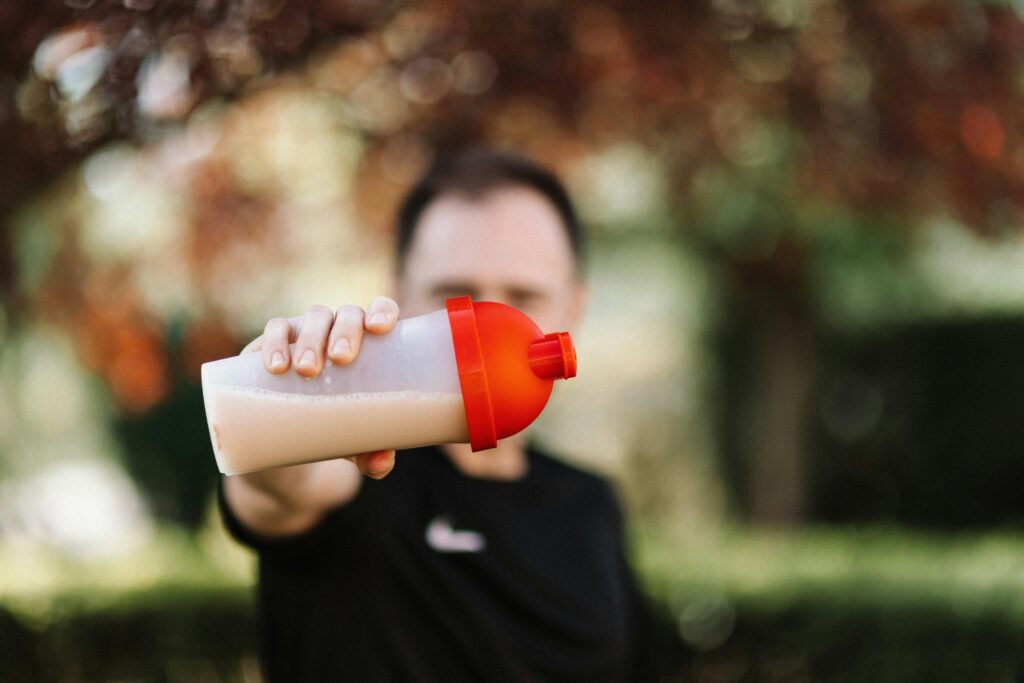
No, but they can make hitting your protein targets more convenient. Whole food sources like meat, fish, eggs, and dairy provide all the protein most lifters need. Supplements are useful when you’re struggling to hit your daily target through food alone.
If you want a deeper look at which supplements are actually worth taking and which ones you can skip, check out our guide on supplements for strength training.
FAQs
Final Thoughts
Protein is essential for building muscle. Aim for 0.7 to 1g per pound of bodyweight (1.6 to 2.2g/kg), focus on whole food sources first, and supplement only if you’re struggling to hit your target consistently.
Supplements can help fill the gap if needed, but they’re not the foundation. Train hard, eat enough protein, and the rest takes care of itself.