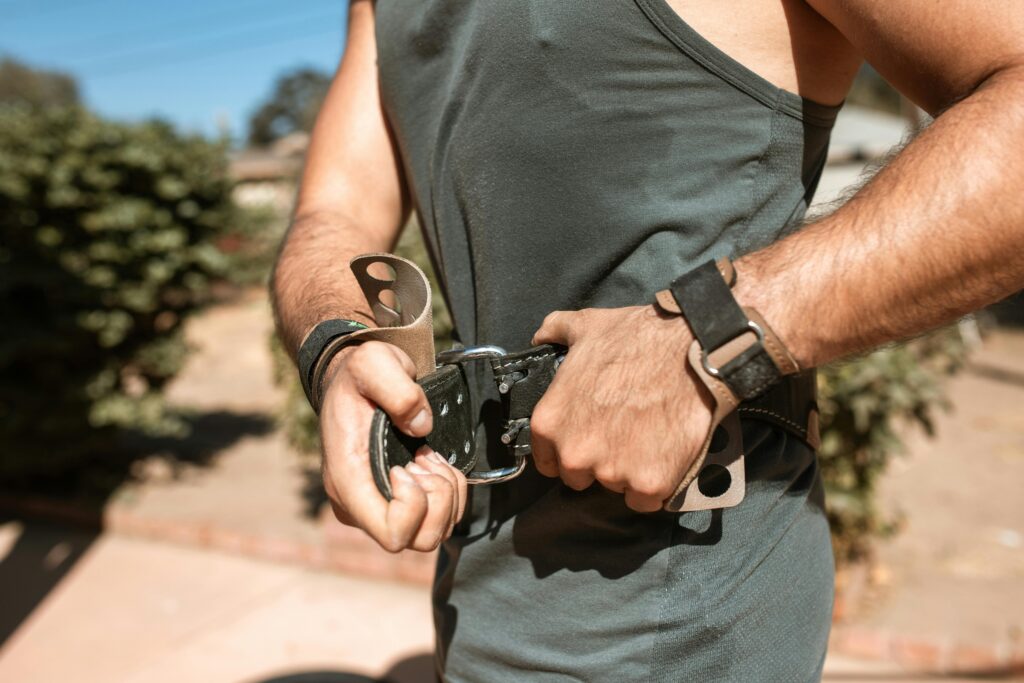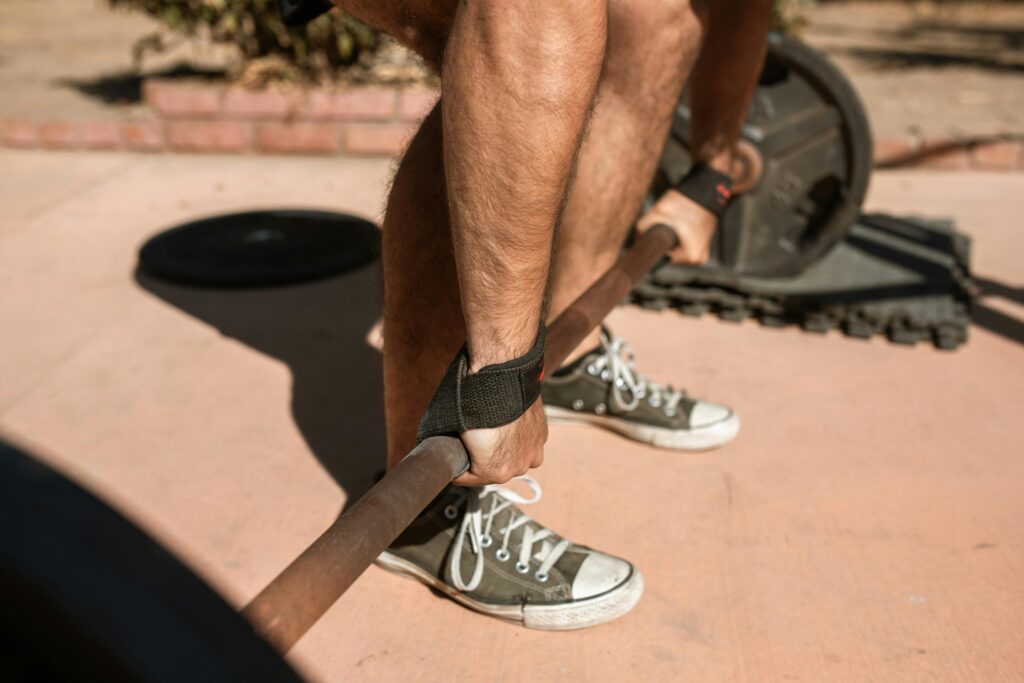
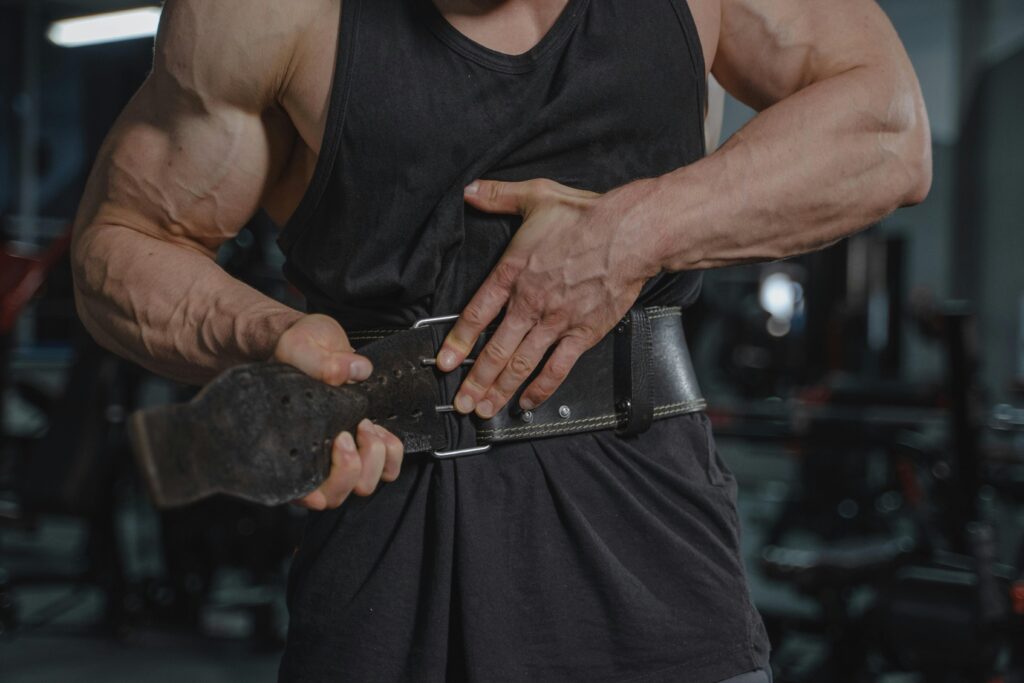
Choosing the right weight lifting belt size is more complex than most people expect. Length, width, and thickness all affect how a belt fits and performs — and getting any one of them wrong can make an otherwise good belt uncomfortable or ineffective.
In this guide we’ll break down all three dimensions so you can find a belt that works with your body and your training style.
This guide focuses on even-width leather belts — the standard choice for powerlifting and heavy strength training. If you’re looking at nylon or tapered belts, things work a bit differently.
As an Amazon Associate, we earn from qualifying purchases. This helps support the site at no extra cost to you.
How to Choose the Right Weight Lifting Belt Size
Belt sizing covers three things: length, thickness, and width. Each affects fit and performance differently, so it’s worth understanding all three before buying.
In most powerlifting competitions, the maximum allowed belt width is 4 inches and thickness is 13mm. Always check that your specific belt model is approved by your federation before competing.
Length
Length refers to the circumference of the belt — essentially whether it will fit around your waist. To find your size, measure your waist with a tape measure at just over navel height.
Most manufacturers provide a sizing chart based on this measurement, but sizing varies between brands so always check the specific chart before ordering. A belt that fits correctly should feel snug when buckled at the middle holes, leaving room to tighten or loosen as needed.
Manufacturers usually give minimum and maximum circumference for their sizes, ideally your circumference would be in the middle of those numbers. In case you are between sizes, it’s better to go for the larger size. You can even get new holes made if need be, but you can’t extend a too short belt.
Thickness
Most lifting belts come in either 10mm or 13mm thickness. The difference is subtle but noticeable under heavy load, for better or worse.
13mm belts are stiffer and provide slightly more resistance to brace against, which some lifters prefer for maximal efforts. The tradeoff is that they can feel uncomfortable, particularly for smaller lifters where the extra rigidity digs into the ribs or hips. You may want to consider a 13mm especially if you are a taller person that can handle the larger dimensions of the belt. A 13mm belt may take months to fully break in.
10mm belts are more forgiving and faster to break in. For most lifters, 10mm is the more practical choice and still provides plenty of support even for the heaviest lifts.
Width
Most leather lifting belts come in either 3 inches or 4 inches wide. The standard is 4 inches, which works well for average to taller lifters with longer torsos.
For smaller lifters with a particularly compact torso, a 4 inch belt can dig into the ribs or hips, especially in deeper positions like deadlifts. A 3 inch belt can provide the same core support with more freedom of movement and better comfort for smaller frames.
To get a rough idea of which width suits you, measure the distance from the top of your pelvic bone to the bottom of your ribs. If a 4 inch belt fits in that space, you’re likely fine with the standard width. If it’s a tighter fit, a 3 inch belt is worth considering.
If you have a shorter torso, playing around with the belt position can still allow you to use a 4 inch belt successfully. Especially for deadlifts, wearing the belt higher and a bit looser than normal is common.
Recommended Lifting Belts for Lifters of All Sizes
Here are a few quality lifting belts in various sizes:
- Dominion Strength 3-Inch Leather Belt: Stiff and supportive, made in the USA, available in XS.
- Dominion Strength 4-Inch Leather Belt: A basic, top-quality 4 inch leather belt.
- Pioneer Cut 13mm 4-Inch Belt: Innovative offset hole design for micro adjustments, excellent for the perfect fit.
- Pioneer 10mm PAL V2 4-Inch Lever: Lever belt with quick adjustment. USAPL & USPA legal.
- Iron Bull 10mm 4-Inch: Dual-prong leather belt, IPF-approved.
FAQs
Final Thoughts
Getting the right weight lifting belt size comes down to three things: length, width, and thickness. Taking the time to get all three right makes a real difference in how the belt feels and performs.
Start with length — measure your waist and find a size that fits you with enough room to adjust. From there, 10mm and 4 inches are the safe defaults for most lifters. If you have a larger frame, 13mm is worth considering. If your torso is notably short, try a 3 inch belt.
For more on getting the most out of your belt, check out our guide on how to use a lifting belt properly.