Walk into any gym and you’ll see lifters loaded up with all kinds of accessories. Figuring out the best gym accessories to actually buy can be confusing, especially when everyone seems to have a different opinion on what’s essential.
This guide covers the most common ones, what they’re for, and whether they’re worth buying at your current stage of training.
Shoes
Most people start out lifting in whatever trainers they already own. That works fine at first, but running shoes and general purpose sneakers have soft, cushioned soles designed to absorb impact, which is the opposite of what you want when lifting heavy weights. That compression underfoot creates instability and bleeds force that should be going into the floor.
The fix is simple: flat, hard-soled shoes. Converse and Vans are the most common cheap options and work well for most lifters. If you squat regularly and struggle with depth or keeping an upright torso, weightlifting shoes with a raised heel are worth considering. They’re more expensive but purpose built for the job.
For deadlifts specifically, the thinner the sole the better, which is why some lifters pull in socks or minimalist shoes. If you want a full breakdown of footwear options for pulling, check out the guide on deadlift shoes.
Lifting Belt
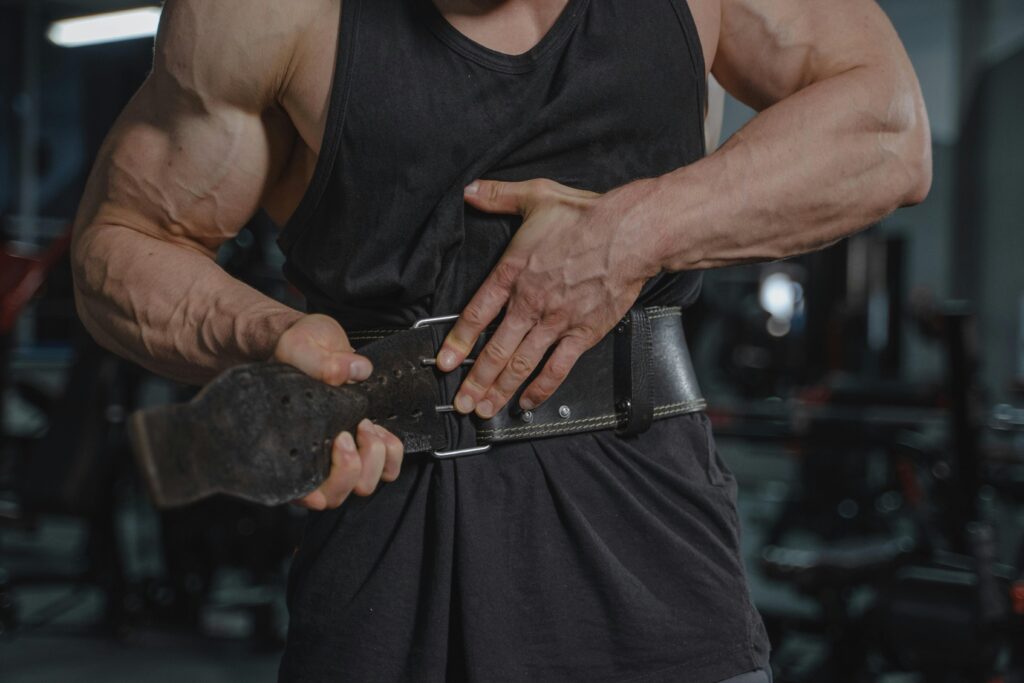
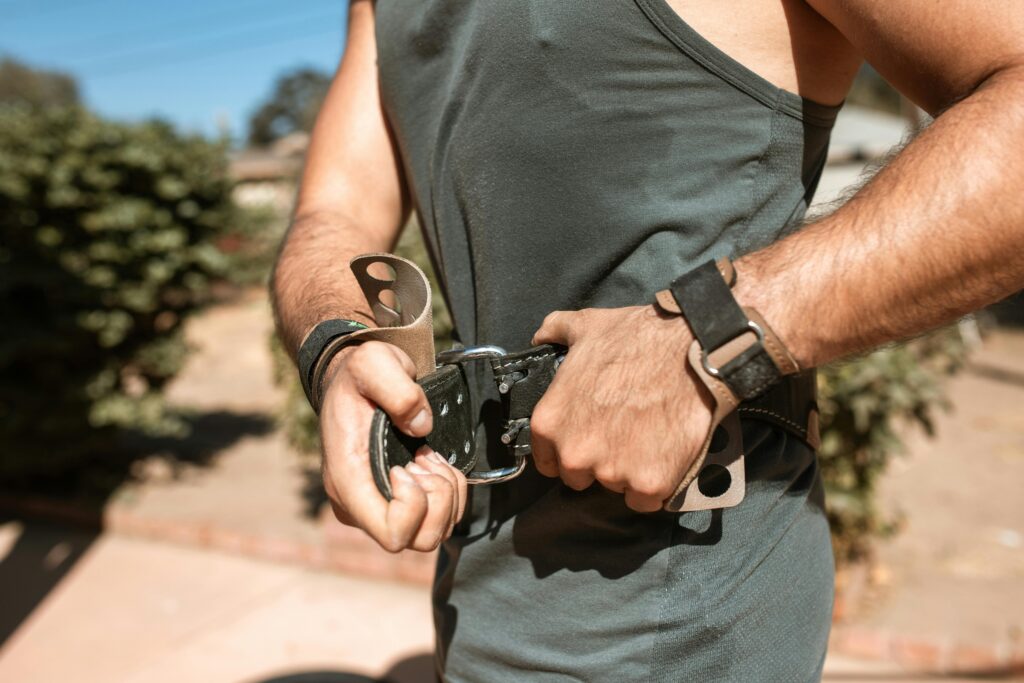
A lifting belt isn’t there to support your lower back directly. It gives your core something to brace against, which increases intra-abdominal pressure and creates a more stable base for heavy lifts. Used correctly, it lets you lift more weight with better spinal position.
It’s not something you need from day one. Most beginners benefit more from learning to brace properly without one first. But once you’re handling weights that feel genuinely heavy, a belt becomes a useful tool for squats, deadlifts and other compound movements.
For recreational lifters, a simple prong or lever belt in the 10mm range is enough. You don’t need anything competition grade unless you’re planning to compete. For more on sizing and choosing between belt types, see the guides on lifting belt size and lever vs prong belts.
Lifting Straps
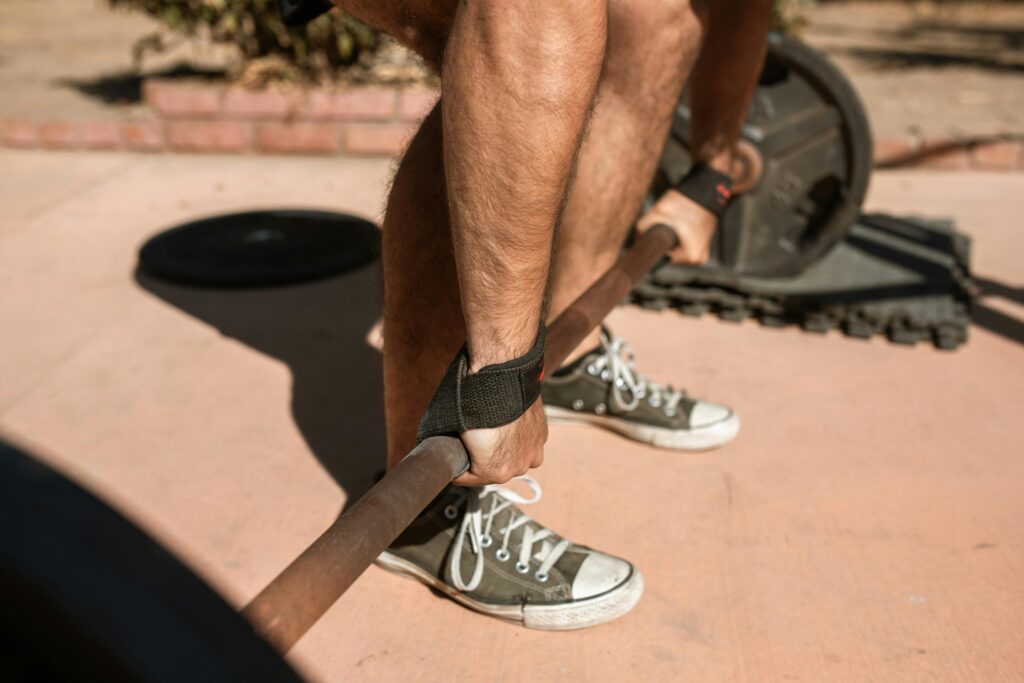
Straps solve a specific problem: your grip giving out before the muscle you’re actually trying to train. This comes up most often on pulling movements like deadlifts, Romanian deadlifts and heavy rows, where the limiting factor becomes your hands rather than your back or hamstrings.
They’re not a substitute for building grip strength, and you shouldn’t rely on them for every set. But on heavier working sets where grip is the bottleneck, straps let you focus on the target muscles instead of fighting to hold the bar.
Basic loop straps are the most common option and work well for most people. Versa Grips are a popular alternative that are a bit easier to get on and off. For a more detailed look at when and how to use them, check out the guide on lifting straps.
Knee Sleeves
Knee sleeves keep the joint warm and add a small amount of compression, which can reduce discomfort during squatting movements, particularly for lifters who notice achiness when their knees haven’t warmed up properly.
They’re not essential for most beginners, but if you squat frequently and find your knees feel better with some compression, they’re worth trying. They’re also relatively cheap compared to most other gear on this list.
For a more detailed look at what they actually do and whether they’re right for you, check out the guide on knee sleeves for squats.
Wrist Wraps
Wrist wraps stabilize the wrist joint during pressing movements like bench press and overhead press. If your wrists ache during heavy pressing, wraps help by keeping the joint in a stronger, more neutral position.
Like knee sleeves, they’re situational. Lifters with healthy wrists and good pressing mechanics often don’t need them at all. But if wrist discomfort is affecting your training, they’re a cheap and simple fix.
For more detail on when they’re worth using, check out the guide on wrist wraps.
What’s Not Worth It
Lifting gloves are the most common thing beginners buy and one of the least useful. They reduce your contact with the bar, which actually makes your grip less secure. If your hands are the issue, chalk is a better solution.
Waist trimmers are sold as a fat loss tool but don’t do anything beyond making you sweat more around your midsection. That’s water weight, not fat.
Compression tights and shirts have their fans but the performance benefit for strength training is minimal. Fine if you like wearing them, but not worth buying specifically for lifting.
FAQs
Final Thoughts
You don’t need much to train effectively. Shoes are worth sorting out early, a belt and straps become useful once the weights get heavy, and knee sleeves or wrist wraps are worth trying if you have specific discomfort that keeps coming up. Start with one thing at a time and only add something when you actually feel the need for it.