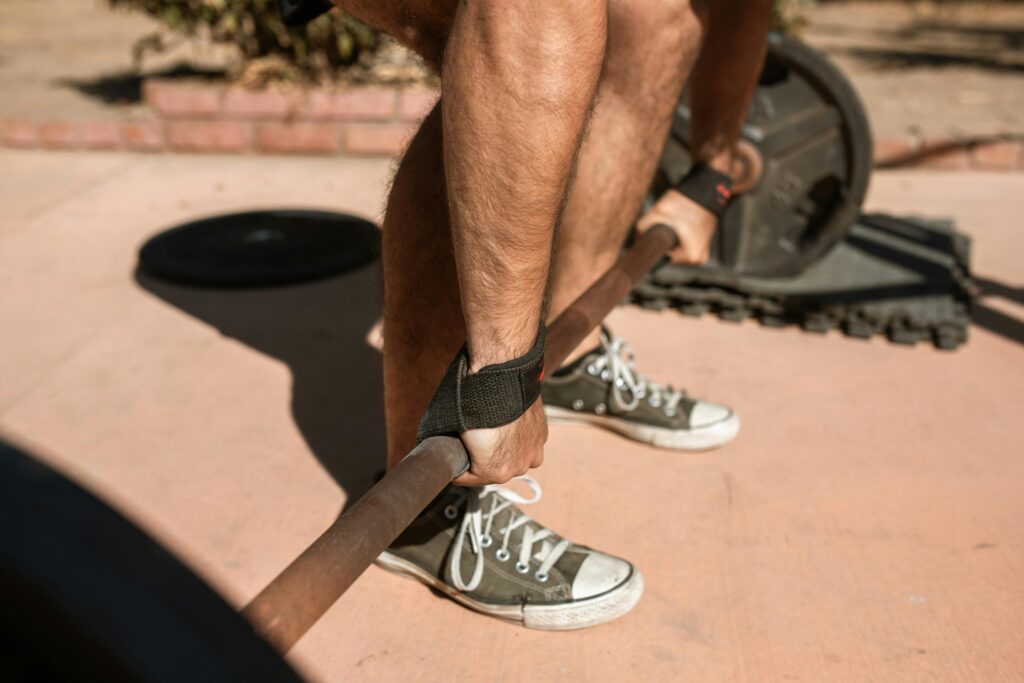
Lifting chalk is one of the simplest and most effective tools in the gym, yet a lot of lifters avoid it because they may think it’s for professional athletes only or their gym frowns upon it.
This guide covers what lifting chalk actually is, what it does for your grip, the different types available, and how to use it without making a mess.
As an Amazon Associate, we earn from qualifying purchases. This helps support the site at no extra cost to you.
What Is Lifting Chalk?
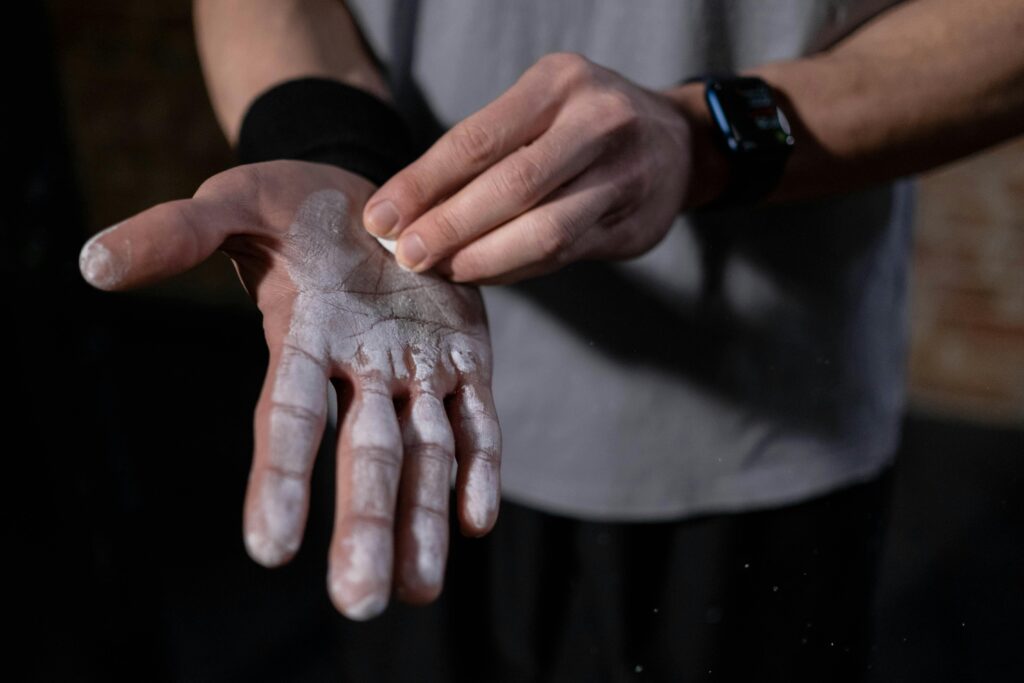
Lifting chalk is magnesium carbonate, a white powder that absorbs moisture from your hands and increases friction between your skin and the bar. Despite the name, it has nothing to do with the chalk used on blackboards, which is calcium carbonate and works differently.
It’s been used in strength sports for decades — you’ll see it in powerlifting, Olympic weightlifting, strongman sports, gymnastics, and rock climbing. The principle is the same across all of them: dry hands grip better.
What Does Lifting Chalk Do?
When your hands sweat, the moisture acts as a lubricant between your skin and the bar — reducing friction and making it harder to hold on. Chalk absorbs that moisture and restores friction, giving you a more secure grip.
The effect is most noticeable on movements like deadlifts and farmer’s carries. With chalk, your hands stay dry, preventing slipping and helping you keep the bar or handle in a good position in your hand. Reduced sliding of the bar also protects the skin on your palms.
It also helps with bar feel. Many lifters find chalk gives them a more direct connection to the bar, which improves confidence and control on heavy sets.
When Should You Use Lifting Chalk?
Chalk can be used on any movement where grip is a limiting factor or where bar security matters. You probably don’t need to apply chalk for the first warm-up sets, but using chalk really has no downsides.
Chalk is most useful on heavy barbell work like the deadlift, olympic weightlifting and other exercises where you have to hold a lot of weight in your hands. If you’re deciding between chalk and straps for heavy pulling, check out our lifting straps vs chalk comparison.
On bench press and overhead press, chalk helps keep the bar from shifting in your hands during heavy sets. Some lifters also use it on squats and bench press, applying it to their upper back to prevent the bar from sliding on squats, or to increase friction with the bench pad.
Types of Lifting Chalk
Lifting chalk comes in three main forms: block, loose, and liquid. Each has its place depending on your training environment and preferences.
Block Chalk
Block chalk is the classic gym version — a solid block you rub directly onto your hands. It’s the most cost effective option and what you’ll typically find in chalk buckets at powerlifting gyms. The downside is mess, it creates dust and leaves residue on everything it touches.
Loose Chalk
Loose chalk is the same magnesium carbonate in powder form. It applies quickly and evenly but is even messier than block chalk. It’s mostly found in climbing gyms where it’s standard. Often stored in a chalk bag that you dip your hands into.
Liquid Chalk
Liquid chalk is magnesium carbonate suspended in alcohol. You apply it to your hands, let the alcohol evaporate, and are left with a thin chalk coating. It creates far less mess than block or loose chalk, which is why many commercial gyms that ban traditional chalk still allow liquid. The grip it provides is very similar to block chalk.
How to Apply Chalk Correctly
For block or loose chalk, rub a light, even coat onto your palms and fingers. Focus on the areas that actually contact the bar: your fingers and the edges of your palm. Lightly rub your hands together and do a quick clap to get rid of loose chalk.
For liquid chalk, squeeze a small amount onto one palm, rub your hands together thoroughly, and let it dry completely before gripping the bar. Waving your hands around a bit dries it very quickly.
Reapply between sets as needed, but don’t overdo it. Loose chalk doesn’t help your grip, and the knurling of a barbell can get caked up, reducing its effectiveness.
Gym Rules and Chalk Etiquette
Chalk rules vary widely between gyms. Dedicated powerlifting and weightlifting gyms usually allow all types freely. Commercial gyms are more restrictive, many ban loose and block chalk entirely due to the mess, but allow liquid chalk as a compromise. Some lifters even get away with using liquid chalk discreetly in gyms where chalk is just categorically banned.
Always check your gym’s rules before bringing chalk in. If loose or block chalk isn’t allowed, liquid chalk is usually a safe alternative that provides similar grip with much less mess.
If your gym does allow chalk, be considerate, use it over a chalk bucket or mat, wipe down equipment after use, and don’t leave chalk residue on bars, benches, or the floor. Keeping chalk use clean is what keeps gyms allowing it in the first place.
Recommended Lifting Chalk
- EVMT Liquid Chalk — A clean, mess-free option that works well in commercial gyms. Dries quickly and provides solid grip without leaving dust everywhere.
- Gibson Athletic Block Chalk — Classic magnesium carbonate block chalk. Cost effective and long lasting, ideal for gyms where chalk is freely allowed.
FAQs
Final Thoughts
Lifting chalk is one of the cheapest and most effective performance tools available. A small amount applied correctly makes a real difference on heavy pulls and any movement where grip security matters.
If your gym allows block chalk, that’s the simplest option. If not, liquid chalk is a practical alternative that works in most gym environments.