Most beginners make the same mistakes early on. That’s not a criticism, it’s just how learning works. The ones that matter are the habits that stick around and quietly slow your progress over time. Whether you’re training at home, in a commercial gym, or still building your confidence, this guide covers the most common beginner lifting mistakes and what to do about them.
As an Amazon Associate, I earn from qualifying purchases. This helps support the site at no extra cost to you.
Prioritizing Weight Over Technique
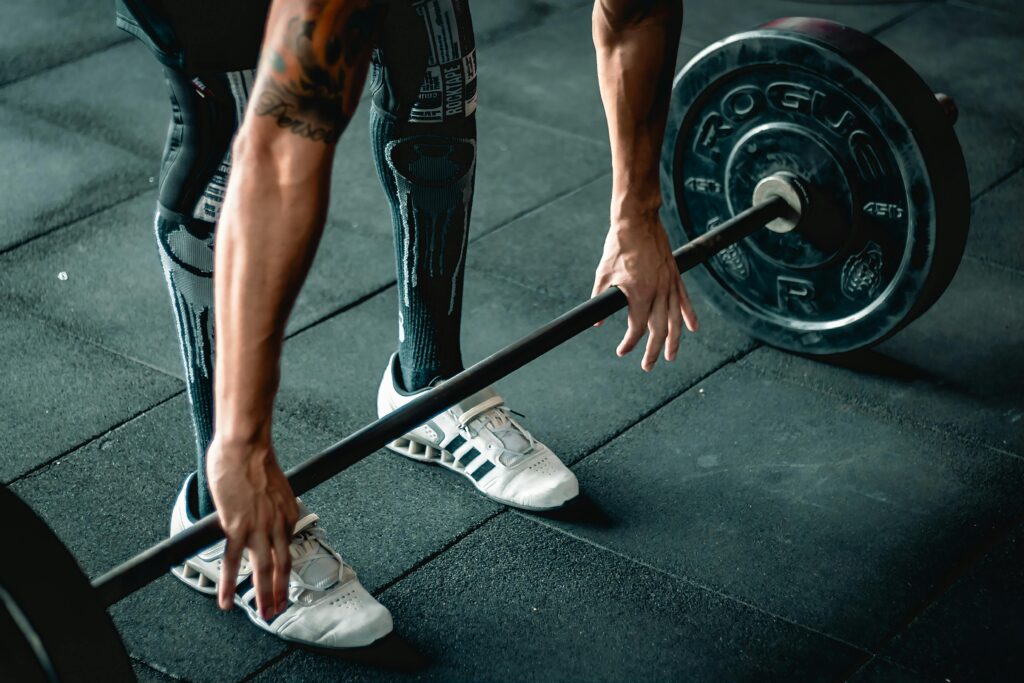
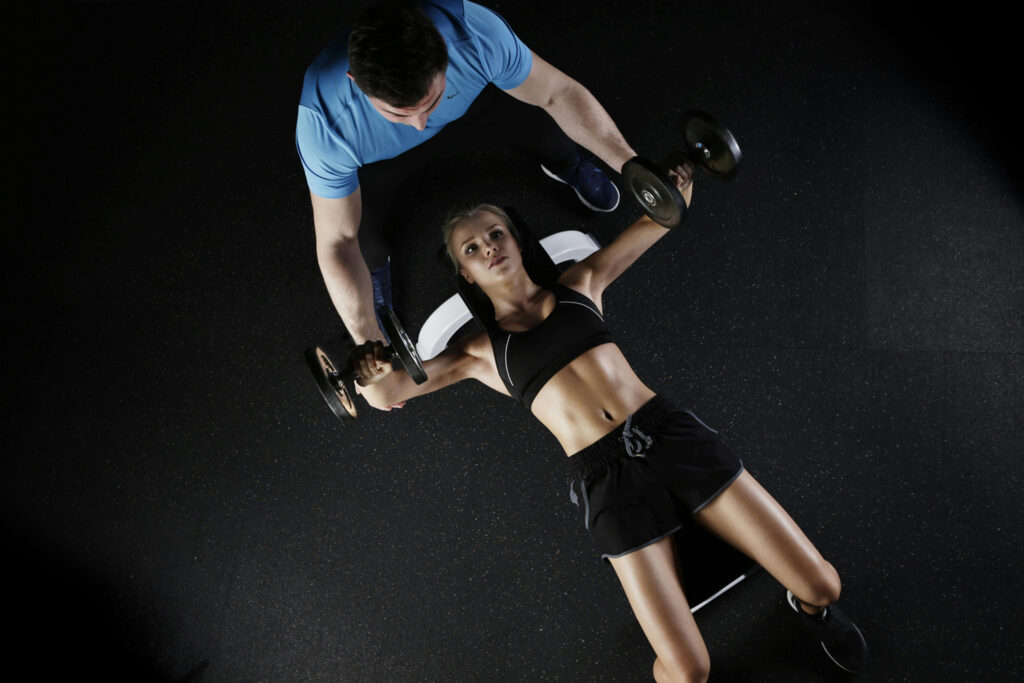
A lot of beginners jump into lifting thinking they need to go heavy right away. It’s easy to get caught up watching stronger lifters and feel like you have to chase bigger numbers. But loading the bar before your technique is solid leads to two problems: you build bad movement habits, and you increase your injury risk as the weights get heavier.
Good form isn’t just about safety. It’s about lifting more efficiently. If your knees cave in during squats or your hips shoot up first in a deadlift, you’re leaving strength on the table.
Start by learning the basic movement patterns: squat, hinge, push, and pull. Film your lifts, check your technique, and don’t be afraid to use lighter weights while you get it right. You’re not wasting time. You’re building a foundation that will actually hold up.
Not Sticking With a Program
One of the most overlooked beginner lifting mistakes is changing programs too often. Jumping from one workout to the next, copying what someone else is doing, or chasing the latest trending split on social media leads to no consistent progress and no real structure.
At the beginner stage, almost anything will work. But that doesn’t mean doing everything is better. Strength and muscle gains come from doing the same core lifts regularly and gradually adding weight or reps over time. If you’re switching movements every week, you’re not giving your body enough time to adapt.
You don’t need a complicated program. You just need one that includes the basics, fits your schedule, and that you actually stick to. Something like Starting Strength is a proven starting point. Pick a plan, track your progress, and see it through.
Not Lifting Heavy Enough
Many beginners stay in their comfort zone, using weights that are too light to build real strength or muscle. Starting light to learn technique makes sense, but at some point the weight needs to challenge you. If you’re finishing every set with energy to spare, you’re not training hard enough to drive results.
Lifting heavy doesn’t mean maxing out every session. It means using a weight that requires focus and leaves you with one or two reps in reserve. For most beginners that’s somewhere in the 5 to 12 rep range, with a load that feels difficult but manageable with good form.
Progressive overload is what drives progress. If you consistently finish your sets feeling like you could have done significantly more, it’s time to increase the weight, reps, or both.
Poor Recovery Habits
Training hard is only half the equation. What you do outside the gym matters just as much, and poor recovery habits can quietly stall your progress without you realizing it.
The most common issue is not eating enough, especially protein. Your body needs fuel to repair and build muscle tissue. If you’re lifting regularly but under-eating, progress will be slow and you’ll likely feel constantly drained. Around 0.7 to 1 gram of protein per pound of bodyweight (1.6 to 2.2 grams per kilogram) is a well-supported target for most lifters.
Sleep is the other major factor. Strength gains and muscle repair happen during rest, not during the session itself. Skimping on sleep makes training feel harder, reduces motivation, and slows results. Aim for at least 7 to 8 hours a night. A basic fitness band can help you track sleep consistency and spot recovery trends over time.
Rest days matter too. Lifting six or seven days a week without adequate recovery means you’re accumulating fatigue faster than you can adapt. Give your body time to rebuild.
Gym Etiquette Mistakes
Most beginners don’t mean to be disruptive, but without knowing the unwritten rules it’s easy to make a bad impression. The basics are straightforward: re-rack your weights when you’re done, wipe down equipment after use, and don’t take up multiple stations during busy hours. Give people space while they lift and be mindful when filming your sets.
None of this is complicated. Being aware of the people around you makes the gym a better place for everyone.
Beginner Lifting Mistakes Women Often Make
A few patterns tend to come up more often for women new to strength training, usually rooted in outdated advice or gym culture.
The most persistent is avoiding heavy weights out of fear of getting bulky. In reality, building significant muscle mass takes years of consistent training and usually a calorie surplus on top of that. Lifting heavier won’t make you bulky overnight. It will make you stronger.
The other common pattern is staying in the high rep, low weight range for everything. While higher reps have their place for accessory work, they’re not the most effective approach for building strength. Lowering the reps, increasing the weight, and focusing on compound lifts like squats, deadlifts, and presses will produce better results.
Comparing Yourself to Everyone Else
One of the fastest ways to kill your motivation is to constantly measure your progress against other lifters. Everyone starts at a different level, and you rarely know how long someone has been training or what their background is.
What matters is tracking your own progress over time. Adding weight to the bar, hitting a new rep goal, or simply showing up consistently are all meaningful markers. Focus on those rather than what the person next to you is lifting.
FAQs
Final Thoughts
Everyone makes mistakes when they start lifting. What matters is recognizing them early and adjusting. Focus on technique, stick to a program, train hard enough to actually progress, and take recovery seriously. The lifters who improve consistently aren’t the ones who found a secret. They’re the ones who got the basics right and kept showing up.
Need help choosing the right gear? Check out our guide on weightlifting belt sizes or are weightlifting shoes worth it.