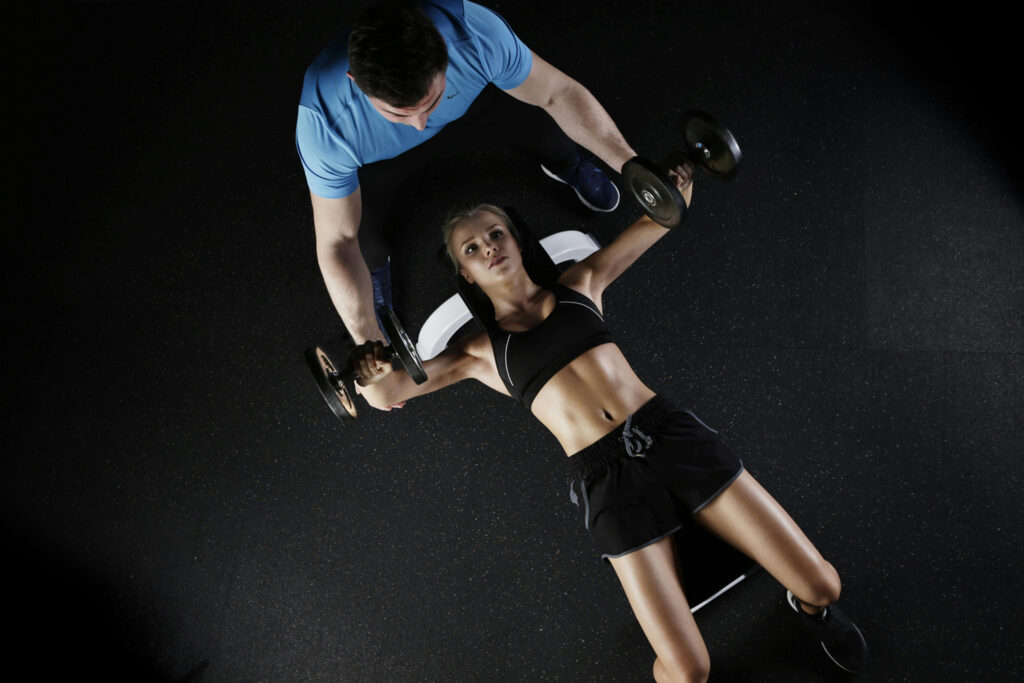
Bench press without a spotter is something most lifters end up doing at some point. It’s also one of the few gym exercises that can genuinely kill you if something goes wrong. A failed rep with no safety equipment means a loaded barbell coming down on your chest, throat, or face with nothing to stop it. That’s not a reason to avoid benching alone, but it is a reason to take the setup seriously.
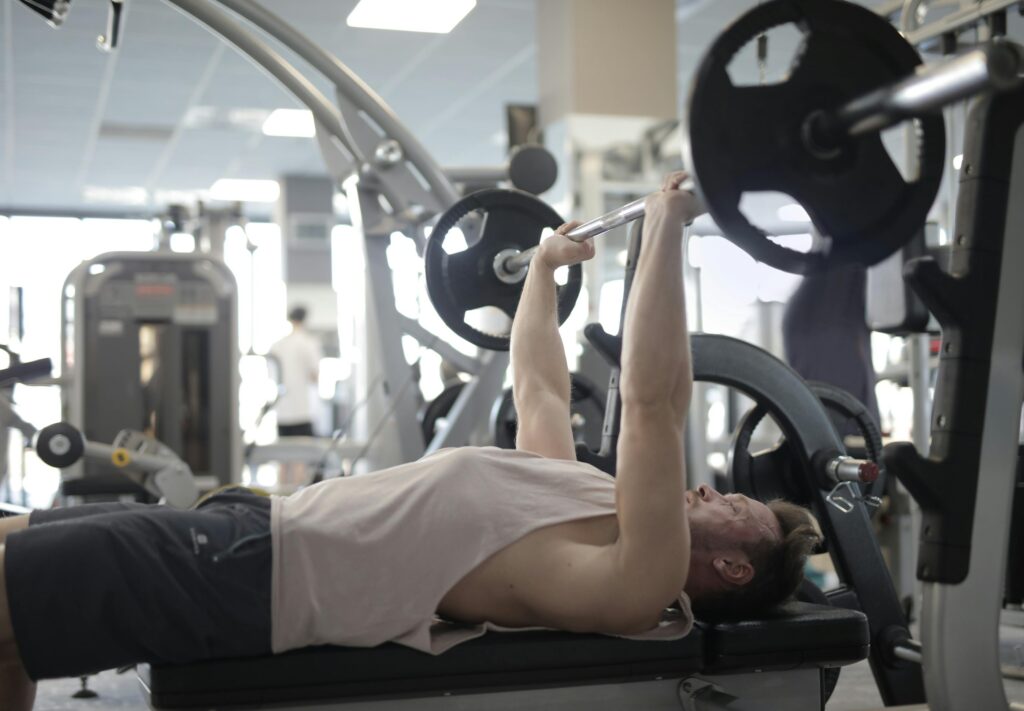
The Real Risk of Benching Without a Spotter
Of all the main barbell lifts, the bench press is particularly dangerous to attempt alone. The most immediate danger is the throat. A loaded barbell there can be fatal, and getting out from under it without help is not always straightforward. But even a bar resting on your chest or stomach with enough weight on it can cause serious harm. It’s one of the more dangerous beginner lifting mistakes, and unlike most mistakes, this one can have serious consequences.
This doesn’t mean solo benching is off the table. It means the setup matters.
Use a Power Rack or Bench with Safeties
A power rack or a bench press with built-in safeties, set at the correct height, is the most reliable way to bench press without a spotter. If you fail a rep, the bar lands on the safeties rather than on you.
The key is setting the height correctly before you start. The safety bars should be positioned just below where the bar sits at your chest at the bottom of the lift. Too low and they won’t catch the bar in time. Too high and they’ll interfere with your range of motion.
Power racks come with either safety pins or safety straps. Both work. The main thing is that they’re set correctly before the lift.
Safeties are worth using even when you do have a spotter. If the bar slips suddenly, you suffer a pec tear mid-rep, or something else goes wrong, a spotter may not have enough time to react.
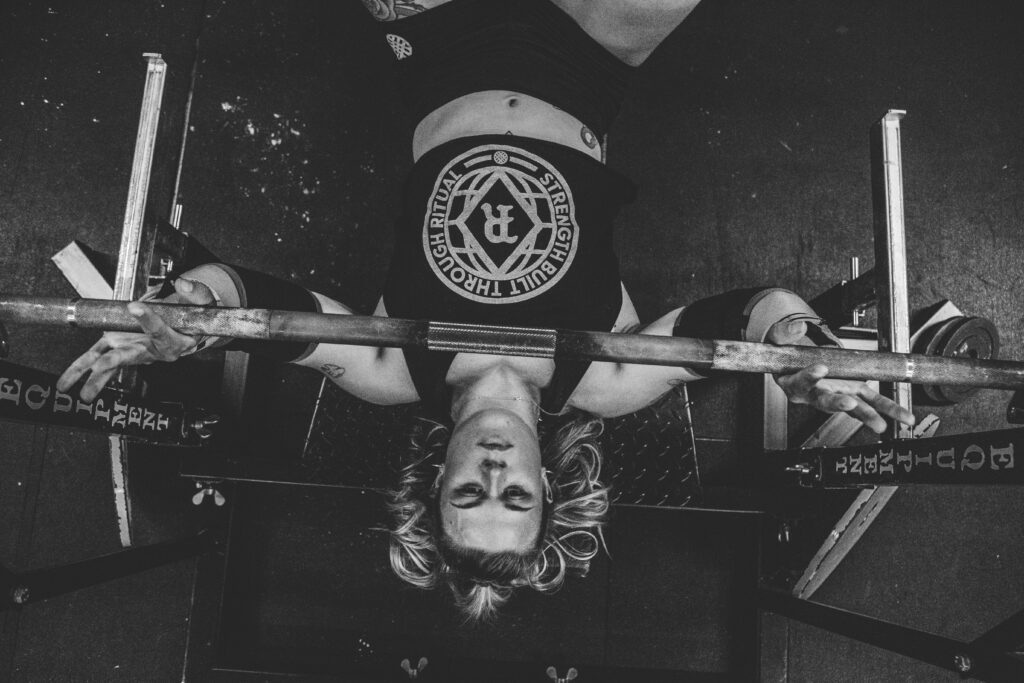
What About the Smith Machine?
The Smith machine is sometimes suggested as a safer alternative for solo benching. The idea is that you can rack the bar at any point by rotating your wrists, but that assumes you still have enough control to do so above your chest. If you’re genuinely stuck under the bar, you may not be able to.
Without safety stops set at the right height, a Smith machine can actually be more dangerous than a free barbell. The bar is locked to the track, so you can’t tilt it to slide the plates off or roll it down your body to escape.
If the machine has adjustable safety stops, it works fine. If it doesn’t, avoid it for solo heavy benching.
If You Have No Safety Equipment
If you have no access to a rack with safeties or a Smith machine with stops, don’t use collars. If you get stuck, you can tilt the bar to one side and let the plates slide off, then do the same on the other side. The risk is that if your press is uneven, plates can shift mid-lift before you intend them to.
The roll of shame is another option. Lower the bar to your chest, roll it down your torso toward your hips, then sit up and set it down. It can work, but if the weight is heavy enough to pin you, rolling it may not be possible either.
Neither of these is a reliable safety net for heavy solo benching. The right answer is proper equipment.
General Rules to Follow
Regardless of what setup you have, a few principles apply to all solo benching:
Know how to bail before you need to. Whether that’s rolling the bar, tilting it, or lowering it onto the safeties, have a plan before you unrack the weight.
Don’t use collars when benching alone without safeties. Leaving them off gives you an escape option if you get stuck.
If you don’t have safeties, don’t train to failure. Leave at least one rep in reserve so you’re less likely to end up genuinely pinned.
FAQs
Final Thoughts
The risk of benching alone is real, but it’s manageable with the right setup. A power rack or bench with safeties set at the correct height is all you need to train alone without putting yourself in danger. Without that, you’re relying on options that may not work when you actually need them.