A lifting belt is one of the most common pieces of gear among serious lifters, but a lot of people use it wrong — or don’t fully understand what it actually does. Used correctly, a belt can meaningfully improve your performance on heavy lifts. Used incorrectly, it’s just uncomfortable and pointless.
This guide covers everything you need to know about how to use a lifting belt properly. You’ll learn where to place it, how tight it should be, when to wear it, and how to brace correctly so the belt actually does its job.
Do You Even Need a Lifting Belt?
Not every lifter needs a belt straight away. If you’re still learning movement patterns and building your base strength, it’s worth learning to brace properly without one first — a belt works best when it amplifies good technique, not compensates for the lack of it.
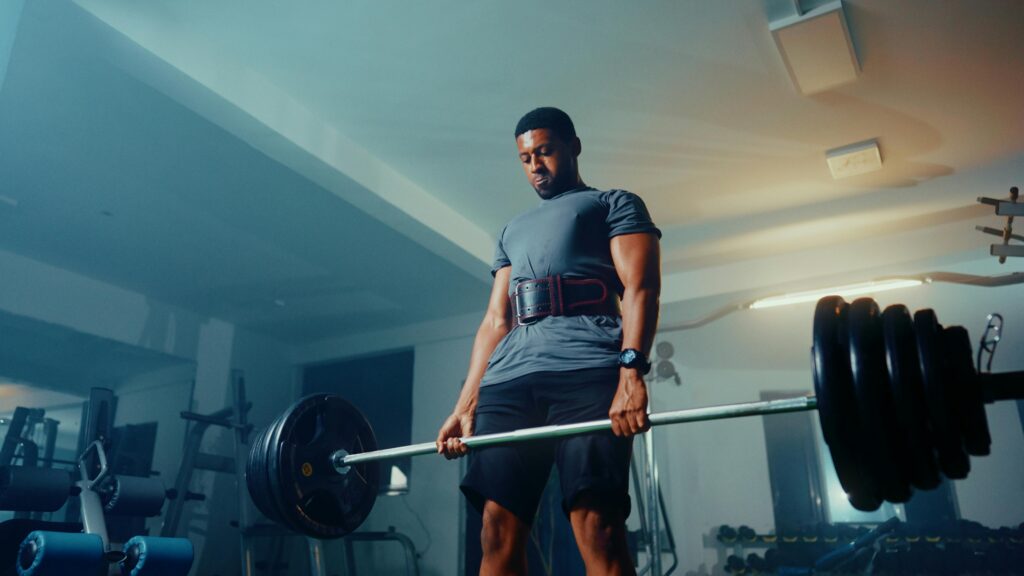
Once you’re lifting with serious intent and the weights start feeling heavy, a belt starts to make sense. It gives your core something firm to brace against and can make a real difference on demanding lifts like squats and deadlifts.
What Does a Lifting Belt Actually Do?
A lifting belt works by increasing intra-abdominal pressure (IAP). When you brace your core and push outward against the belt, it creates a pressurized cylinder of tension around your midsection that stabilizes your spine under load.
Think of it like inflating a balloon inside your torso. The pressure pushes outward in all directions against the belt where it makes contact, and against your surrounding muscles everywhere else. This creates a stable column that protects your spine and allows you to transfer force more efficiently from the ground through the bar.
Research has shown that belts raise IAP early in the lift, which may reduce spinal disc compression and improve both safety and lifting efficiency (Harman et al., 1989). But the key word is amplify — the belt enhances a brace you’re already creating, it doesn’t create one for you. If you’re not actively bracing, the belt does very little.
How to Use a Lifting Belt Properly
Getting the most out of a lifting belt comes down to a few key things: how you brace, where you place it, and how tight it is. None of them work in isolation.
How to Brace With a Belt
Bracing with a belt is different from just tightening your abs. The goal is to create 360 degrees of tension around your entire midsection, not just the front.
To brace properly, take a deep breath into your belly rather than your chest. Your stomach should expand outward, not your ribcage rise upward. Once you’ve taken that breath, tighten your entire midsection as if you’re about to take a punch to the gut, pushing outward in all directions against the belt.
This is the Valsalva maneuver, and it’s the foundation of safe, effective heavy lifting. The belt gives that outward pressure somewhere firm to push against, which is what creates the stability you feel when everything is locked in correctly.
Hold the brace for the duration of each rep. On maximal or near-maximal efforts most lifters brace fresh for every rep, but on lighter sets it’s common to hold the brace across multiple reps without resetting your breath each time.
Belt Placement: Where Should It Sit?
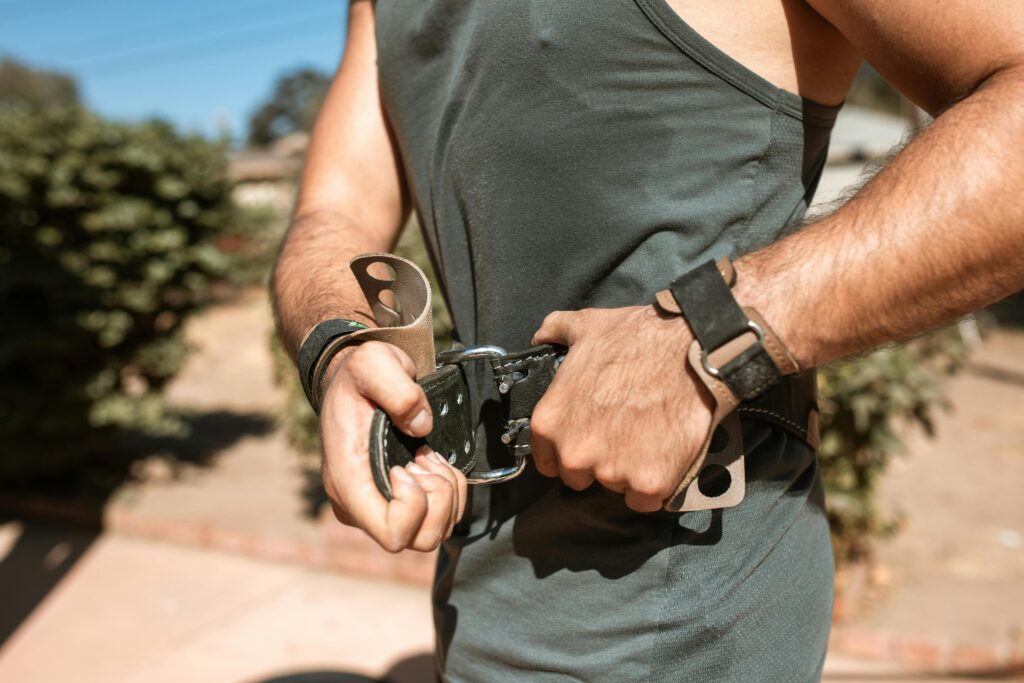
There’s no single correct position, but a good starting point is to center the belt around your navel or just above. The goal is firm contact with your abdominal wall so you have something solid to brace against.
If you find that the belt digs into your hips on squats for example, try adjusting slightly higher. For deadlifts, many people like to wear their belt noticeably higher, even as high as the lower ribs, and maybe a hole looser.
Pro tip: Wear your belt during last warm-up sets and fine-tune the position as the weight increases.
How Tight Should Your Belt Be?
The belt should be tight enough that you feel resistance when you brace outward against it, but loose enough that you can still take a full breath into your belly. If you can’t expand your midsection when bracing, it’s too tight. When not bracing, you should be able to push two fingers between the belt and your abdomen.
A common mistake is cranking the belt as tight as possible before the lift. This actually works against you, as there’s no room for your midsection to expand and create pressure. You want to brace into the belt, not fight against it.
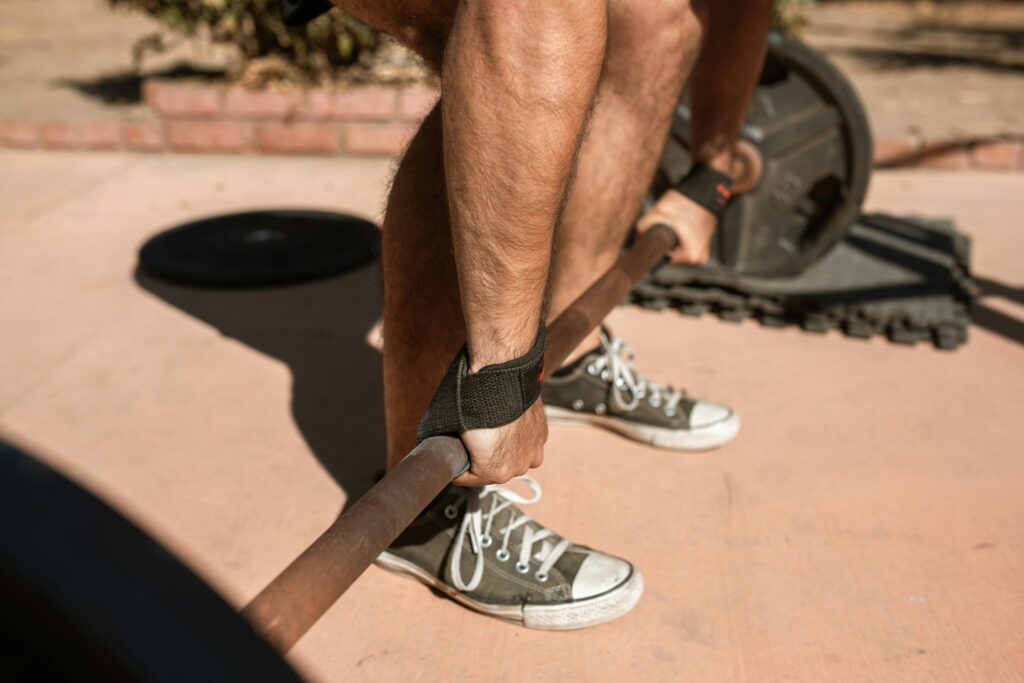
On deadlifts, many lifters prefer a slightly looser fit than on squats, allowing more freedom of movement through the hip hinge.
When Should You Wear a Belt?
A belt is most useful on heavy compound lifts where bracing makes a real difference. Squats and deadlifts are the obvious candidates — spinal stability under load is critical on both. On overhead press and bench press, a belt can also help by keeping the core rigid and preventing energy leaks as the weight gets heavy.
Leave it off for light warm-up sets, isolation exercises, and anything where your core isn’t the limiting factor. Some lifters also deliberately do some of their heavier work beltless to keep their raw bracing strong.
FAQs
Final Thoughts
A lifting belt is a simple tool, but using it correctly makes a real difference. Get your brace right, find the position that works for your body and the lift you’re doing, and use it when it actually helps rather than as a default for every set.
If you’re still figuring out belt sizing, check out our guide on weight lifting belt size.